

Key Takeaways
- Only 36% of Grace Benoist Ranch is planted with vines (513 of 1,400 acres), preserving two-thirds for native wildlife habitat
- Natural pest control: Screech owls, hawks, and raptors manage rodent populations without chemicals
- Native mustard plants repel nematodes, attract pollinators, reduce erosion, and cycle nitrogen back into soil
- Zero trees cut: Founders' strict "no cut" promise protects native oak, buckeye, maple, and bay laurel
- Contour planting follows natural land curves instead of traditional grids, reducing yield but improving sustainability
- 8 million years of terroir: Grace Benoist Ranch sits on Petaluma Formation and Sonoma Volcanics with 13 soil types
Why Biodiversity Matters in Winemaking
"Variety is the very spice of life, that gives it all its flavor." When 18th-century poet William Cowper wrote that famous line, he wasn't talking about how to grow delicious wine. But as farmers have known since ancient times, crops grow best in balance with nature.
Practicing biodiversity—sharing the environment with a wide range of native plants, animals, and microorganisms—helps us be more sustainable, from water use to pest management. By working with nature rather than trying to control it, we can minimize our impact while growing strong, healthy vines and making award-winning wine.
Grace Benoist Ranch: 8 Million Years in the Making
| Feature | Details |
|---|---|
| Total Acreage | 1,400 acres |
| Planted Vineyard | 513 acres (36%) |
| Wild Habitat | 887 acres (64%) |
| Geological Formation | Petaluma Formation and Sonoma Volcanics |
| Soil Types | 13 distinct varieties |
| Age | ~8 million years |
| Habitat Types | Wetlands, woodlands, open grasslands |
Grace Benoist Ranch mainly lies within the Petaluma Formation and Sonoma Volcanics. Comprised of old lakes and riverbeds, petrified trees, 13 types of soil, pebbles, boulders, and ash-fall turned to stone over the eons, it's been evolving for some 8 million years. That kind of age and wisdom definitely deserves our respect.
Of Etude's 1,400 acres, only 513 are planted with vines. The other two-thirds are wetlands, woodlands, open grasslands, and other wild places reserved for our non-human neighbors.
Wildlife Partners at Grace Benoist Ranch
We preserve these spaces for an ark's-worth of creatures to live on and pass through:
- Mammals: Foxes, skunks, bobcats, deer, mountain lions, mice, voles
- Birds: Screech owls, hawks, turkeys, woodpeckers, songbirds
- Raptors: Natural rodent control without chemicals
Even rodents have their purpose in a balanced ecosystem, with raptors like those owls keeping them in check naturally.
Sustainable Vineyard Design: Planting with Nature
The vineyards themselves are planted to mirror the curves of the land instead of in a traditional grid pattern. Broken up into dozens of small blocks that roll and flow with the natural contours of the earth and wild spaces, this planting style reduces the amount of fruit we can grow, but the benefits far outweigh those additional grape clusters.
The "No Cut" Promise
It also allows us to keep the strict "no cut" promise our founders made right from the beginning. No trees were removed when we planted the vineyards or during our wetland restorations, which means the ranch is home to dozens of species of native oak, buckeye, big leaf maple, and bay laurel, including one with pride of place that's nearly 60 feet in diameter.
Protecting Soil Microbes
Disturbing the soil as little as possible also protects our smallest, yet arguably most important neighbors: the vast community of soil microbes that are critical for growing healthy vines with more natural resistance to climate extremes.
Native Mustard: Nature's Pest Control

One of the most spectacular sights in wine country is the annual mustard bloom. In mid-February, the hillsides and valleys are blanketed with bright yellow blooms that signal that spring is just around the corner. But these are no ordinary flowers.
Benefits of Native Mustard Plants
- Natural nematode repellent: Spicy compounds drive away microscopic worms that attack vine roots
- Pollinator support: Attracts and feeds beneficial insects
- Erosion control: Root systems stabilize hillside soils
- Nitrogen cycling: Returns essential nutrients to the soil naturally
- Zero chemical inputs: Reduces need for synthetic pest control
Despite their delicate appearance, native mustard plants are mighty allies for growers. The same spiciness that makes mustard so tasty for humans puts nematodes, microscopic worms that dine on vine roots, on the run.
Biodiversity at Home: The Case for Dandelions
While we're on the subject of pretty yellow wildflowers, we'd like to make a case for the humble dandelion. Admittedly, not all weeds are a boon for your garden, but dandelions offer an easy way for you to support biodiversity at home.
Why Dandelions Matter
- Early pollinator food: Provide nectar earlier than most other flowers
- Bird habitat: Birds enjoy the seeds and use the fluff for nesting
- Soil health: Deep taproots break up compacted soil and bring nutrients to the surface
- Zero maintenance: Thrive without water, fertilizer, or care
If dandelions aren't listed as invasive where you live, consider changing their status from trespassers to welcome guests.
Experience Sustainable Winemaking
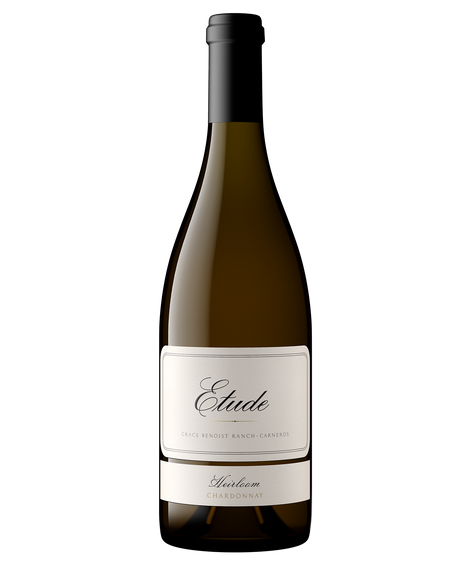
The wines from Grace Benoist Ranch reflect this commitment to biodiversity and sustainable farming. Every bottle of our Heirloom Pinot Noir and Heirloom Chardonnay carries the story of 8 million years of terroir, native wildlife partnerships, and regenerative viticulture.
Frequently Asked Questions
What is biodiversity in viticulture?
Biodiversity in viticulture means cultivating grapevines alongside a diverse ecosystem of native plants, animals, and microorganisms. This approach supports natural pest control, soil health, and climate resilience while reducing the need for chemical inputs.
How much of Grace Benoist Ranch is planted with vines?
Only 513 acres out of 1,400 total acres (36%) are planted with grapevines. The remaining 887 acres are preserved as wetlands, woodlands, and grasslands for native wildlife habitat.
How do screech owls help vineyards?
Screech owls and other raptors provide natural rodent control by hunting mice and voles that would otherwise damage vines. This eliminates the need for chemical rodent control methods.
What are the benefits of native mustard plants in vineyards?
Native mustard plants repel nematodes (microscopic pests that attack vine roots), attract pollinators, reduce soil erosion, cycle nitrogen back into the soil, and require zero chemical inputs.
Why does Etude plant vineyards in curves instead of grids?
Contour planting follows the natural curves of the land, which reduces soil disturbance, protects soil microbes, preserves native trees, and creates wildlife corridors. While it reduces grape yield, it significantly improves long-term sustainability.
What is the Petaluma Formation?
The Petaluma Formation is an 8-million-year-old geological formation composed of ancient lake beds, riverbeds, petrified trees, and volcanic ash. Grace Benoist Ranch sits on this formation, which contributes 13 distinct soil types to the vineyard's terroir.
How can I practice biodiversity at home?
Start by welcoming beneficial "weeds" like dandelions (if not invasive in your area), which provide early nectar for pollinators, food and nesting material for birds, and improve soil health with their deep taproots.
Learn more about our sustainable practices on our Sustainability page.